Spine MRI

What will an MRI of the spine show?
It can assess the disks to see if they’re bulging, ruptured, or pressing on the spinal cord or nerves. The MRI also can help doctors: Evaluate symptoms such as lower back pain, leg pain, numbness, tingling or weakness. Look into problems with bladder and bowel control.
How long does an MRI of the spine take?
The test usually takes 30 to 60 minutes but can take as long as 2 hours
Can MRI detect spinal problems?
An MRI scan creates detailed pictures of your spine. It can pick up most injuries that you have had in your spine or changes that happen with aging. Even small problems or changes that are not the cause of your current back pain are picked up. These findings rarely change how your provider first treats you.
Will a spinal MRI show nerve damage?
Does an MRI scan show nerve damage? A neurological examination can diagnose nerve damage, but an MRI scan can pinpoint it. It’s crucial to get tested if symptoms worsen to avoid any permanent nerve damage.
What should you not do before a spinal MRI?
Please do not wear jewelry, hairpins, or any metal objects. Glasses, dentures, hearing aids, and watches will be removed at the time of the examination; you will be provided a locker. IF YOUR MRI REQUIRES CONTRAST: do not eat or drink anything 4 hours prior to exam.
Does MRI show sciatica?
An MRI of the lumbar spine will show many causes of low back pain and sciatica, including disc herniations, facet arthritis, and lumbar spinal stenosis. Digital x-rays and CT scans may also be used to diagnose the cause of sciatica
Will nerves show up on MRI?
MRI scans which show soft tissues, such as nerves and discs, are generally preferred over CT scans which show bony elements. Advanced imaging can show exactly which nerve or nerves are being pinched and what is causing the nerve to be pinched.
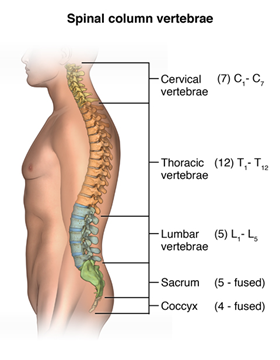
The spine itself has three main segments:
The cervical spine
The thoracic spine
The lumbar spine.
The cervical is the upper part of the spine, made up of seven vertebrae (bones). The thoracic is the center portion of the spine, consisting of 12 vertebrae. The lower portion of the spine is called the lumbar spine
The cervical spine
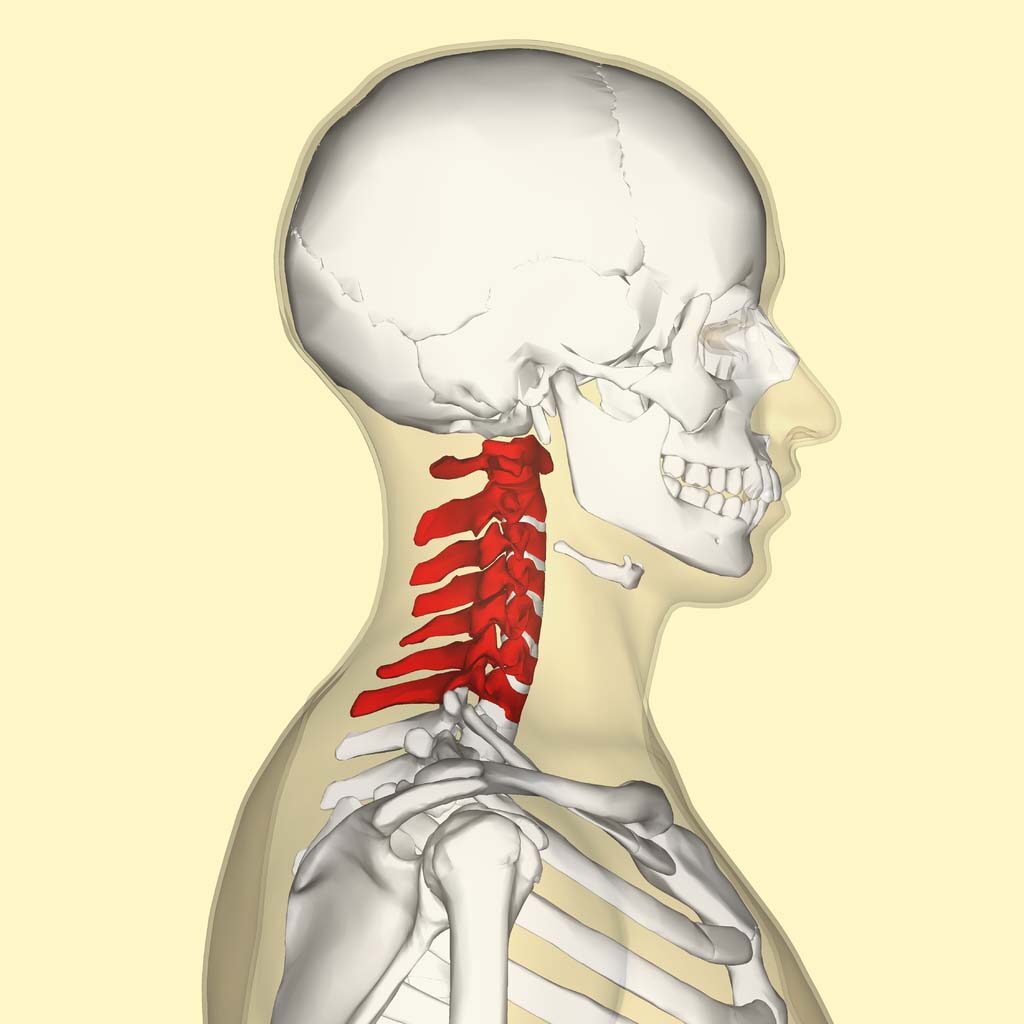
What is the main function of the cervical spine?
Your cervical spine consists of the first seven vertebrae in your spine. It provides support for the weight of your head, surrounds and protects your spinal cord, and allows for a wide range of head motions
What are the symptoms of cervical spine problems?
One of the main symptoms of a cervical spine disorder is neck pain. You may also have pain in the head, jaw, shoulders, arms, or legs, as well as numbness and weakness. Other problems include impaired coordination or balance, difficulty breathing, or loss of bowel and bladder control.
What parts of the body are affected by the cervical spine?
In the cervical spine, there are eight pairs of spinal nerves labeled C1 to C8, which innervate the neck, shoulder, arm, hand, and more
What does C5 C6 and C7 control?
C5, as mentioned earlier, along with C3 and C4, contributes to the phrenic nerve that innervates the diaphragm. Roots C5, C6, and C7 produce the long thoracic nerve, responsible for controlling the serratus anterio
What happens if the cervical spine is damaged?
Cervical spinal cord injuries are typically the most severe type of spinal cord injuries. They may result in quadriplegia or tetraplegia with associated loss of muscle strength in all four extremities. Based on the extent of the injury, cervical spinal cord injuries can be complete or incomplete.
What is the best treatment for cervical spine?
Chiropractic adjustments can help relieve neck pain and stiffness. The chiropractor may manipulate your spine or perform massage to relieve symptoms. The treatment is typically done after X-rays of the cervical spine have been completed. Both massage therapy and acupuncture are being studied to treat neck pain.
Can cervical problem be cured?
While the disorder is chronic and cannot be cured, early diagnoses and interventions can prevent further degeneration.
What causes damage to the cervical spine?
Trauma is the most common cause of cervical injury, and this can include motor vehicle accidents, falls, penetrating or blunt trauma, sports-related or diving injuries. [4][5] Nontraumatic causes can include compression fractures from osteoporosis, arthritis, or cancer and inflammation of the spinal cord.
Can cervical spine heal itself?
Can it be cured? Although there are several very good nonsurgical and surgical treatment options available to relieve the symptoms of cervical myelopathy and radiculopathy, there is no cure, per se, for the degenerative changes in the cervical spine that caused the symptoms.
Does cervical affect brain?
Cervical spondylosis may lead to white matter damage, gray matter volume loss, and functional adaptive changes in the sensorimotor cortex. The results reported in this work may be of value to better understand the effect of prolonged cervical spine compression in the brain.
Is cervical spine serious?
Spinal cord compression in your neck is called cervical myelopathy, and it can be a serious condition causing significant symptoms such as problems with balance and difficulty walking
How does cervical spine affect legs?
With cervical spinal stenosis, it’s common to feel numbness or tingling on one side of your body in your hand, arm, or leg. If left untreated, the tingling can turn into weakness in the arm or leg, and make it hard for you to balance.
Can C5-C6 cause paralysis?
An injury to the spinal cord at the C5-C6 level may cause pain, weakness, or paralysis in the arms and/or legs. There may be loss of bowel and bladder control or breathing problems in some cases. Nonsurgical treatments are often tried first for pain that stems from C5-C6.
What is the best treatment for C5-C6?
Someone seeking traditional medical treatment for C5-C6 disc bulging is often looking to remedy the pain and discomfort disrupting their daily life. This treatment will likely involve being prescribed medication such as steroids for inflammation, injections, physical therapy, disc surgery, or spinal-fusion surgery.
Which exercise is best for cervical pain?
Side-to-Side Head Rotation
- Lie on your back with your knees bent and feet flat on the floor.
- Rotate your chin toward your right shoulder. …
- Hold for 20 seconds.
- Rotate your chin toward your left shoulder. …
- Hold for 20 seconds.
- Repeat 3 to 5 times on each side.
The thoracic spine
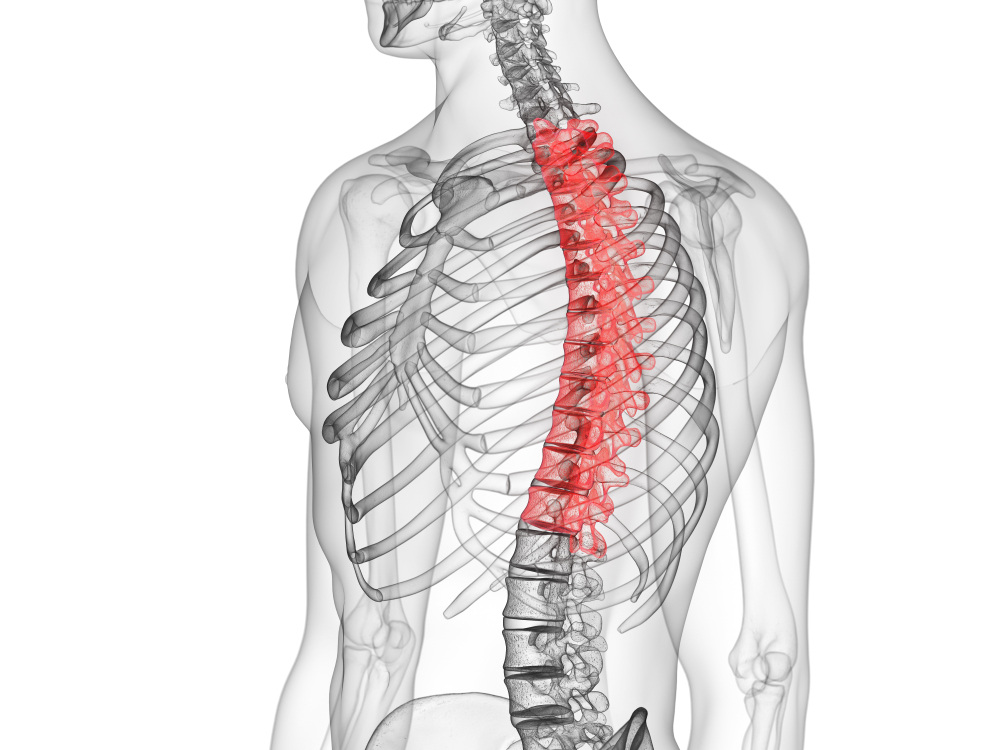
The thoracic spine is located in the upper and middle part of the back. Twelve vertebrae are located in the thoracic spine and are numbered T-1 to T-12. Each number corresponds with the nerves in that section of the spinal cord: T-1 through T-5 nerves affect muscles, upper chest, mid-back and abdominal muscles
What are symptoms of thoracic spine problems?
Five Most Common Symptoms of Thoracic Pain
- Persistent Mid-Back Pain. …
- Sudden Sharp Mid-Back Pain. …
- Stiffness in the Mid-Back Area. …
- Radiating Back Pain. …
- Numbness, Tingling, and/or Weakness
What organs are affected by thoracic spine?
The nerves that branch off from your spinal cord in your thoracic spine transmit signals between your brain and major organs, including your:
- Lungs.
- Heart.
- Liver.
- Small intestine.
Is thoracic back pain serious?
Is it something to worry about? The short answer, in most cases, is no. Most people with thoracic spine pain get better without treatment in a couple of weeks. However, thoracic back pain is more likely to be due to a serious cause than pain in other areas of the spine
Can thoracic spine heal?
Treatment for spinal fractures depends on the type of fracture. Many fractures heal with conservative treatment such as bracing. Acute fractures may require surgery. Rehabilitation is essential to recovery from a thoracic spine fracture
What happens if the thoracic spine is damaged?
Whether the cause is traumatic or nontraumatic, the damage affects the nerve fibers passing through the injured area and can impair part of or all the muscles and nerves below the injury site. A chest (thoracic) or lower back (lumbar) injury can affect your torso, legs, bowel and bladder control, and sexual function
Is walking good for thoracic back pain?
Exercise will also strengthen the muscle groups that support your mid-back to help relieve back muscle pain. Both specific exercises and stretches for this region together with general exercise, such as swimming, walking, cycling, are recommended
Why is thoracic spine pain a red flag?
Thoracic back pain is more likely than neck or low back pain to be caused by serious underlying pathology. However, many patients with thoracic back pain have a benign, mechanical cause. Red flags for possible serious spinal pathology include: Recent violent trauma (such as a vehicle accident or fall from a height)
Can stress cause thoracic backache?
Back pain and stress
Mid-back pain includes muscles that are affected by breathing, including the chest and shoulder muscles. When you’re stressed, your breathing patterns change and cause strain and tension in the mid-back. Your shoulders hunch up and cause pain throughout the upper and middle back
Mid-back pain includes muscles that are affected by breathing, including the chest and shoulder muscles. When you’re stressed, your breathing patterns change and cause strain and tension in the mid-back. Your shoulders hunch up and cause pain throughout the upper and middle back
The lumbar spine.
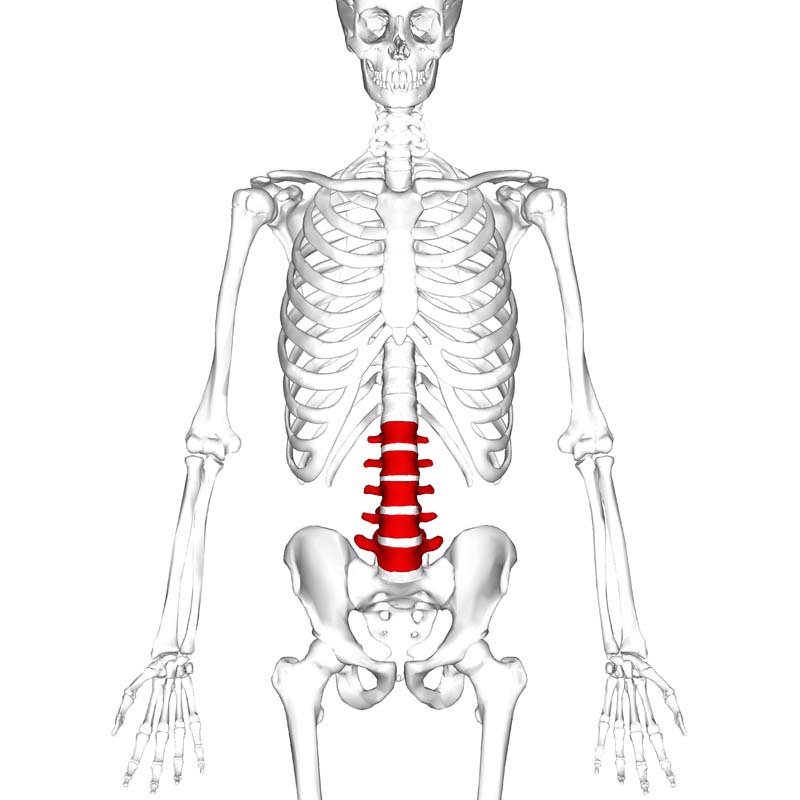
What is a lumbar spine?
The lumbar spine (lower back) consists of five vertebrae in the lower part of the spine, between the ribs and the pelvis. Lumbar spinal stenosis is a narrowing of the spinal canal, compressing the nerves traveling through the lower back into the legs
What causes pain in the lumbar spine?
It can result from a strain (injury) to muscles or tendons in the back. Other causes include arthritis, structural problems and disk injuries. Pain often gets better with rest, physical therapy and medication. Reduce your risk of low back pain by keeping at a healthy weight and staying active
What is the best treatment for lumbar spine?
Physical Therapy – Exercise is a good way to treat your lumbar spine pain, but oftentimes targeted physical therapy is better. Working with your doctor or a licensed physical therapist can ensure that the stretches and exercises you’re performing are strengthening your spine and actively working to heal your spine
Can a lumbar spine be fixed?
In the lumbar spine, fusion can be done from the back (posterior approach), the front (anterior approach), the side (lateral approach), or combined. Modern techniques, implants, navigation, and biologics have made the surgery more predictable with an easier recovery and return to normal activity and work.
Does lumbar pain go away?
Most low back pain is acute. It tends to resolve on its own within a few days with self-care and there is no residual loss of function. In some cases a few months are required for the symptoms to disappear
What happens if the lumbar spine is damaged?
Damage to the lumbar spinal cord subsequently affects the hips and groin area, and may impact the lower abdominal muscles and thigh flexion as well. Lumbar spinal cord injuries (SCIs) may be complete or incomplete and may affect one or both sides of the body.