MRI for the Brain and Neck

Understanding MRI Scans: How They Help Diagnose Brain and Neck Conditions
If you’re experiencing symptoms such as headaches, dizziness, or neck pain, your doctor may recommend an MRI scan. MRI, which stands for Magnetic Resonance Imaging, is a powerful diagnostic tool that uses strong magnetic fields and radio waves to create detailed images of the body’s internal structures.
What is MRI?
During an MRI scan, you’ll lie down on a table that slides into a cylindrical machine. This machine creates a strong magnetic field that aligns the protons in your body’s water molecules. Radio waves are then used to excite these protons, causing them to emit signals that are detected by the machine’s sensors. These signals are used to create detailed images of your brain and neck’s internal structures.
MRI for the Head
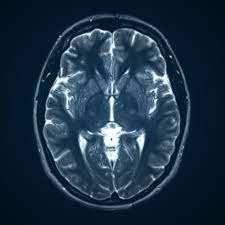
If you’re experiencing symptoms such as severe headaches, blurred vision, or confusion, your doctor may recommend an MRI scan of the brain. This type of MRI scan can help diagnose a variety of conditions, including strokes, tumors, aneurysms, and multiple sclerosis.
An MRI scan of the brain is painless and does not involve any radiation. It’s also very safe, although people with certain metal implants, such as pacemakers, may not be able to have an MRI scan.
MRI of the Neck
If you’re experiencing symptoms such as neck pain, difficulty swallowing, or voice changes, your doctor may recommend an MRI scan of the neck. This type of MRI scan can help diagnose a variety of conditions, including tumors, infections, and nerve damage.
During an MRI scan of the neck, the machine creates a strong magnetic field that aligns the protons in your body’s water molecules. The resulting images can help your doctor identify any abnormalities in your neck’s internal structures, including the bones, muscles, and blood vessels.
MRI for Thyroid
If you’re experiencing symptoms such as difficulty swallowing, a lump in your neck, or voice changes, your doctor may recommend an MRI scan of the thyroid. This type of MRI scan can help diagnose a variety of conditions, including thyroid cancer and goiter.
During an MRI scan of the thyroid, the machine creates a strong magnetic field that aligns the protons in your body’s water molecules. The resulting images can help your doctor identify any abnormalities in your thyroid gland’s internal structures.
Benefits of MRI Scans
MRI scans are painless, non-invasive, and do not involve any radiation. They are also very safe, although people with certain metal implants may not be able to have an MRI scan.
One of the biggest benefits of MRI scans is that they provide incredibly detailed images of the body’s internal structures. This can help doctors diagnose a wide range of medical conditions, including brain and neck disorders.
In addition, MRI scans can help doctors monitor the progression of certain medical conditions over time. For example, people with multiple sclerosis may have regular MRI scans to track the progression of the disease.
Conclusion
If you’re experiencing symptoms that may indicate a brain or neck disorder, talk to your doctor about whether an MRI scan may be appropriate for you. MRI scans are a powerful diagnostic tool that can help identify a wide range of medical conditions. By understanding how they work and their benefits, you can be better prepared to make informed decisions about your healthcare.
- What is an MRI scan of the brain and neck?
An MRI scan of the brain and neck is a diagnostic imaging test that uses powerful magnetic fields and radio waves to create detailed images of the internal structures of the brain and neck.
- How long does an MRI scan of the brain and neck take?
The length of time for an MRI scan of the brain and neck varies, but most scans take between 30 and 60 minutes.
- Is an MRI scan of the brain and neck painful?
No, an MRI scan of the brain and neck is not painful. However, some people may feel claustrophobic or uncomfortable lying still for an extended period.
- What conditions can an MRI scan of the brain and neck diagnose?
An MRI scan of the brain and neck can diagnose a wide range of conditions, including strokes, tumors, aneurysms, multiple sclerosis, infections, nerve damage, and more.
- What should I expect during an MRI scan of the brain and neck?
During an MRI scan of the brain and neck, you’ll lie down on a table that slides into a cylindrical machine. You’ll need to lie still for the duration of the scan, which typically takes between 30 and 60 minutes.
- Are there any risks associated with an MRI scan of the brain and neck?
MRI scans are generally safe, but there are some risks associated with the use of strong magnetic fields. People with certain types of metal implants, such as pacemakers or cochlear implants, may not be able to have an MRI scan. It’s important to discuss any potential risks with your doctor before undergoing an MRI scan.
- How do I prepare for an MRI scan of the brain and neck?
You may need to avoid eating or drinking for a few hours before the scan, and you’ll need to remove any metal objects, such as jewelry or glasses, before the scan. Your doctor will provide you with specific instructions on how to prepare for the scan.